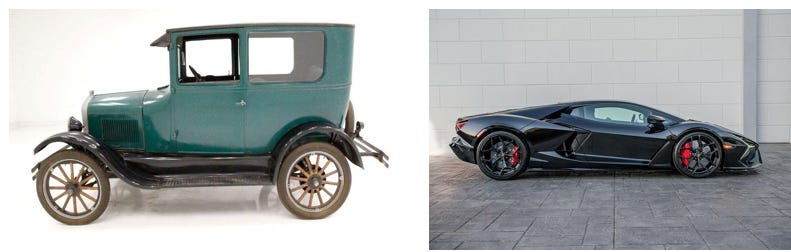
When you look at a 1920s Ford next to a 2026 supercar, it’s easy to think, “Wow, did the past just hate looking cool?”
But before we judge our ancestors for driving motorized phone booths, we have to look at the “why” behind the boxy vibes.
Designers back then weren’t lacking style; they were just fighting a war against physics and wood. Here is why your great-grandpa’s ride looked more like a toaster than a Tesla.
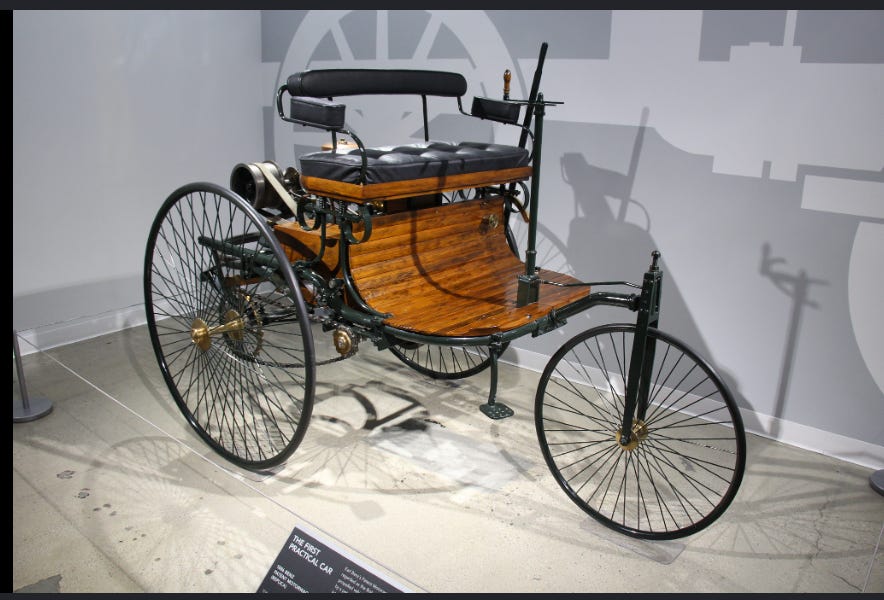
1. The “Horseless Carriage” Identity Crisis
Early designers didn’t know they were making “cars”—they thought they were making buggies that just happened to stop eating hay.
The Top-Hat Factor: People wore tall hats in the 1920s and refused to take them off.This meant cars had to be built like cathedrals just to accommodate a gentleman’s headwear.
Engine Bloat: Early engines were massive, inefficient iron blocks. To fit one, you needed a hood the size of a dining room table, leaving zero room for those “sleek lines” we love today.
2. Hand-Carved Dreams
Today, we have AI and CAD software to map out every little curve. Back then? You had a guy named Herb with a block of clay and a dream.
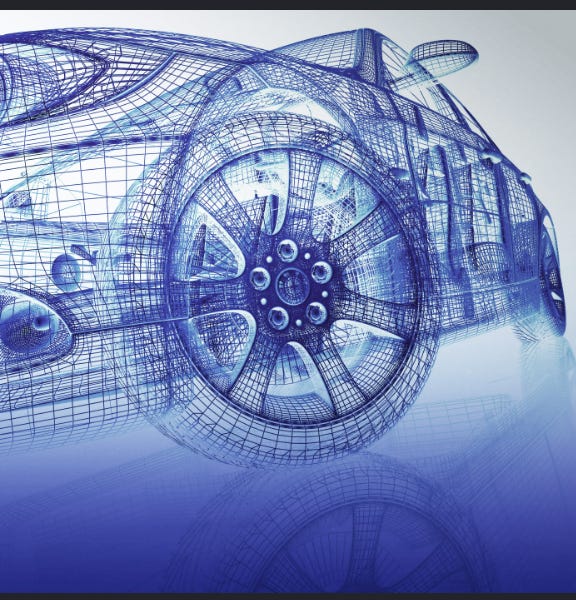
Metal Origami: Folding steel into the complex, aggressive shapes of a modern Lamborghini was physically impossible with 1940s tools. If you wanted a curve, you usually had to settle for “slightly less of a rectangle.”
3. Aerodynamics (Or Lack Thereof)
Aerodynamics wasn’t a concern when your car’s top speed was “brisk jog.”Like literally the first speeding ticket was given to Walter Arnold, who was caught driving his Benz motor carriage at 8 mph—four times the 2 mph speed limit.I could walk faster than the speed limit and can run twice as fast as the speeder!
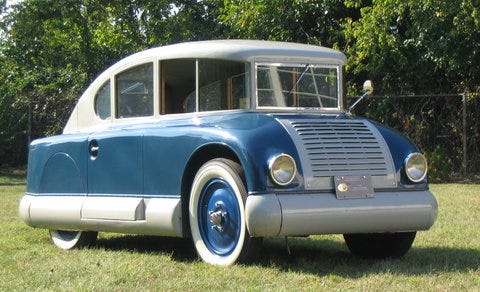
The Wind Tunnel Gap: Early “aerodynamic” cars were based on vibes and teardrop shapes. It wasn’t until we realized that air is actually a heavy fluid trying to stop you that we started making cars look like doorstops to save fuel.
4. The “Not Dying” Requirement
Classic cars were essentially metal death traps with zero give.
The Crumple Zone: Modern cars look “cool” and long because they need space to fold like an accordion during a crash. Old cars were rigid; if you hit a tree, the car
stayed perfect, but the driver... not so much.
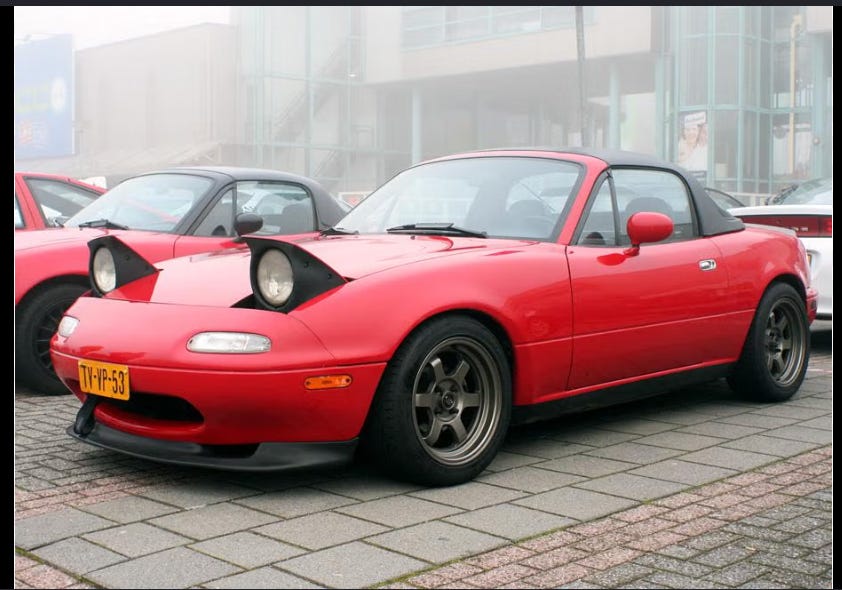
Pedestrian Manners: We lost pop-up headlights and sharp hood ornaments because modern safety laws frown upon “slicing pedestrians in half” during a fender bender.
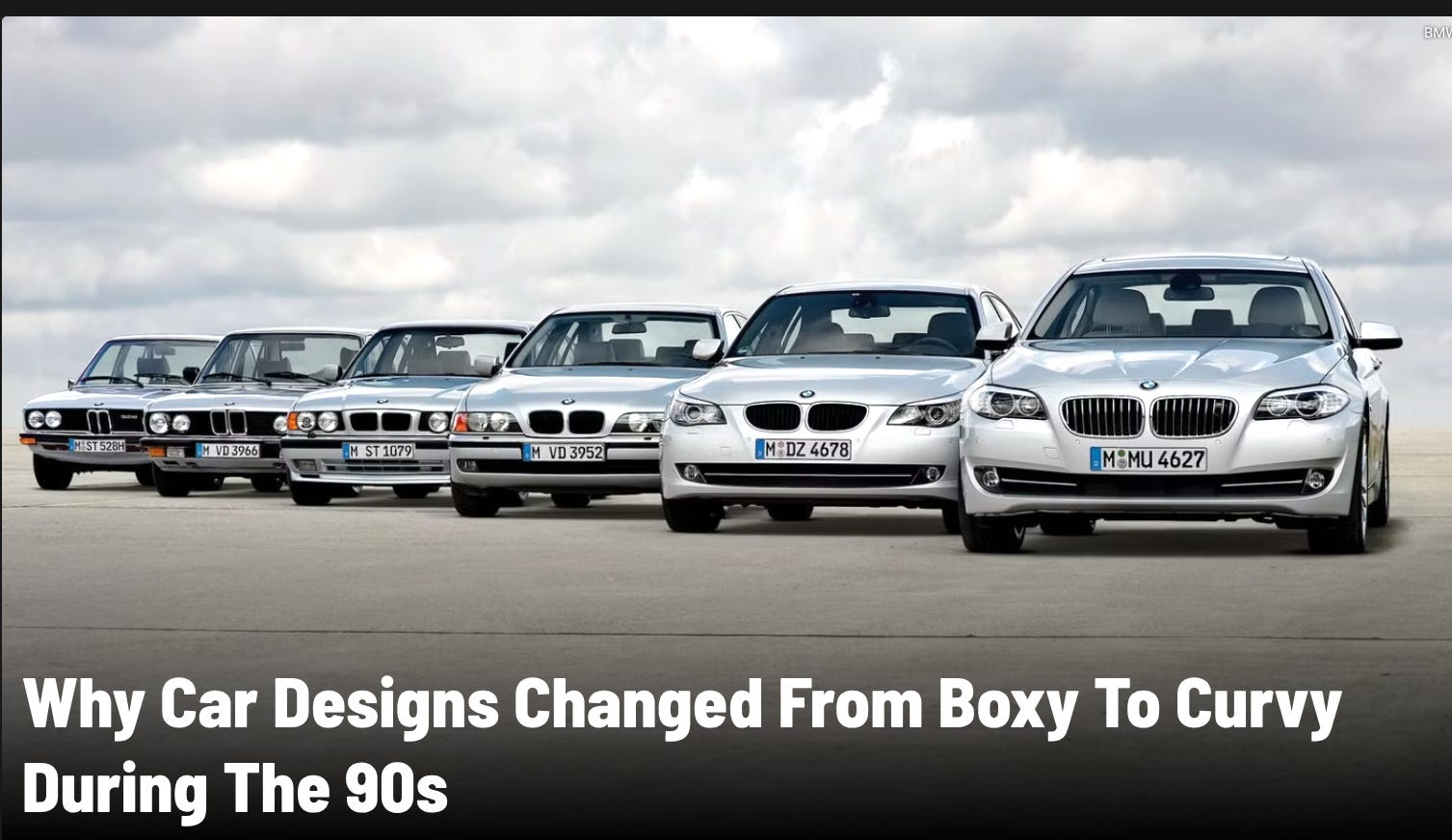
Do you want to see the evolution of a BMW